Reliable Picking.
At Any Scale.
The first AI-powered picking system built for production-critical throughput. Zero retraining, hardware agnostic, and ready for 24/7 warehouse operations.
Key Production KPIs
Performance verified at scale
8,000+
One cell. No breaks. No shift change. No output drop.
600+
When your system can feed fast enough.
> 99%
Closed-loop, low intervention performance.
Why operators choose this system
Handles messy, mixed and unseen SKUs
Closed-loop control for consistent pick success
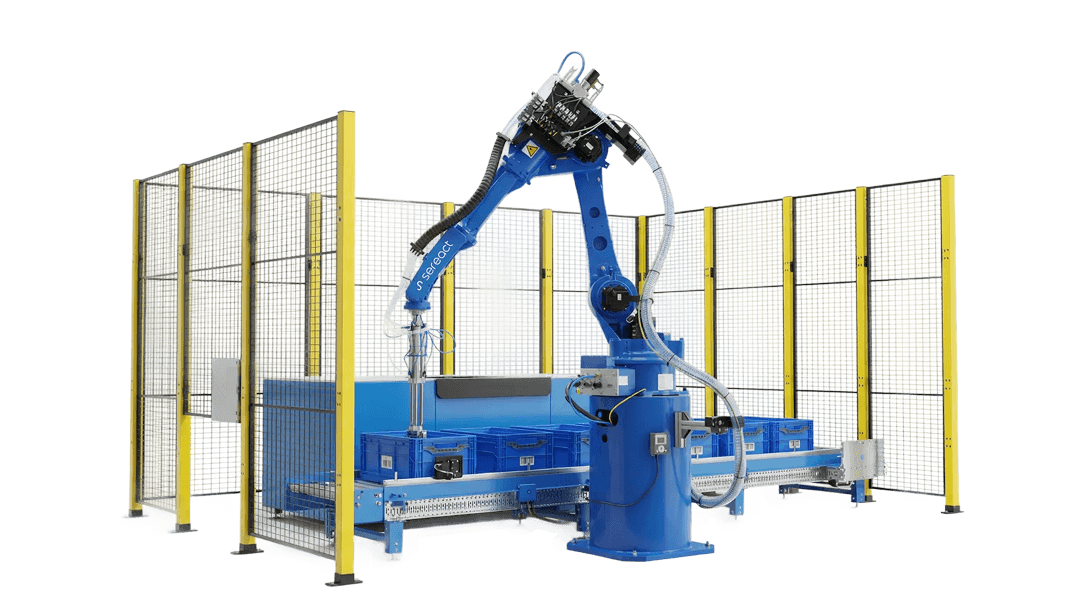
Works with AutoStore ports, shuttles, conveyors and AMR feeds
Built for uptime with robots running day and night in production sites
Case Studies
The Cost Per Pick Advantage
Picking decides your cost per order. The numbers speak for themselves. Automated throughput is the only way to decouple growth from labor costs.
Legacy Approach: Human Picker
450 UPH for short bursts
250 to 300 UPH across a full shift
Output drops after breaks and during peak
Higher error rates under pressure
Requires two or three shifts for full-day coverage
Modern Approach: Cortex-Powered
Stable 300 to 350 UPH every hour
8,000+ picks per day from one cell
Runs nights and weekends with no extra cost
Low error rates and low intervention
Predictable output for planning and SLAs
What Sereact Delivers
Zero-Shot Picking
Picks new items without training or teaching. No image sets. No onboarding downtime.
Closed-Loop Control
Cortex adapts grip, movement and placement in real time. If an item shifts, the robot corrects itself.
Low Intervention
The robot solves difficult items on its own. Your team only handles true exceptions, protecting throughput.
Feed Agnostic
Fits your AutoStore ports, shuttle systems, conveyors and AMR flows. No infrastructure changes required.
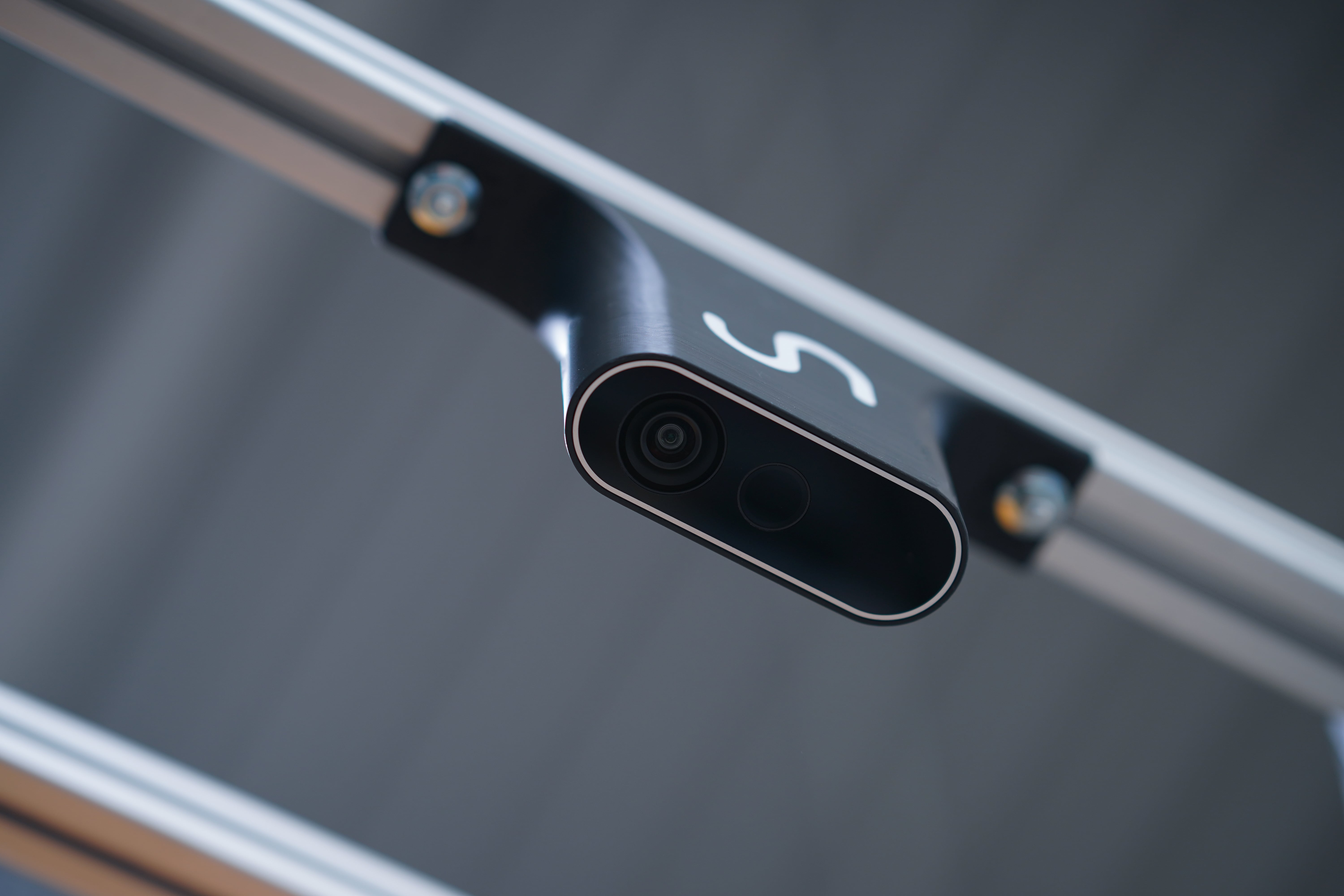
Lens Quality Check
Catches crushed, leaking or wrong items before placement. Prevents downstream errors and claims.
Industrial Uptime
Built for production. Runs reliably across nights, weekends and peak seasons at scale.
Hardware agnostic. Production verified.
How it fits the workflow?
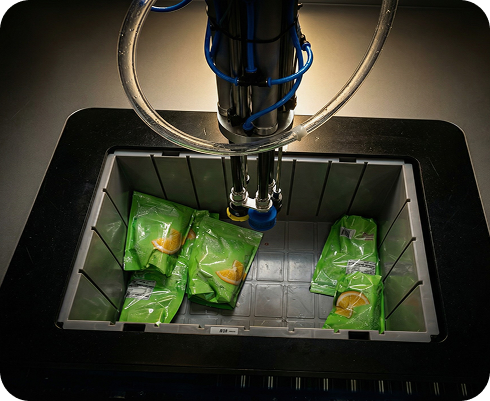
Tote Arrives
AutoStore Carousel Ports or conveyors present a bin. Sereact integrates directly with your existing infrastructure.
Instant Perception
Our AI identifies each SKU and plans the optimal grasp in real time, even with mixed or deformable items.
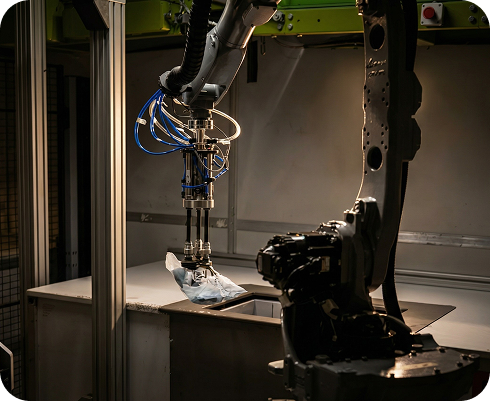
Closed-loop Pick
The robot adjusts trajectory and grip dynamically. If an item shifts, the system recovers independently.
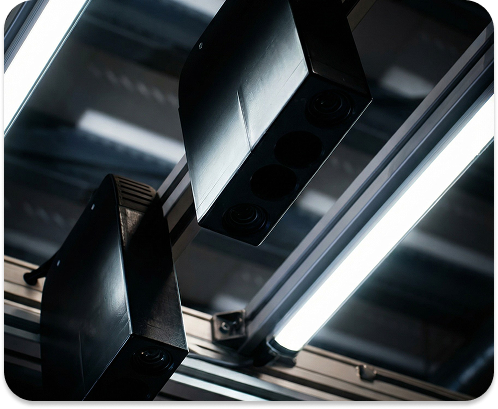
Lens Quality Check
Lens flags damage, anomalies, or incorrect items before placement to protect downstream throughput.
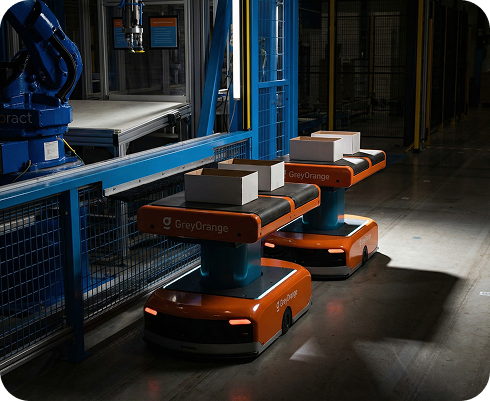
Final Placement
Items are placed precisely into cartons, totes, or onto conveyors. Seamless WMS/WCS synchronization.
How Exceptions Are Handled
Real warehouses are messy. Demo-ware fails there. Cortex is built with a deep understanding of physical uncertainty to keep your throughput high when items misbehave.
Real-time Self-Correction
Cortex monitors every pick in a closed loop. If an item slips, shifts, or collapses, the robot adapts its grasp plan instantly.
- Dynamic trajectory planning
- Automatic force adjustment
- No line stops or alarms
Smart Triage
When an item cannot be picked safely, the system marks it in the WMS and moves to the next task to protect throughput.
- Isolated tote marking
- Anomalous item flagging
- Continuous station operation
Remote Resolution
Most edge cases are cleared remotely by our support team in seconds, without requiring a floor technician.
- < 12 min average resolution
- Remote intervention APIs
- Production-grade uptime
Production Robotics vs. Demo Robotics
The difference is handling the edge cases without stopping the line. Cortex provides a self-healing picking layer that turns exceptions into structured data.
Technical Fit
Plug-and-play capability for modern fulfillment. Sereact picking cells work with your existing WMS and warehouse infrastructure without redesign.
Logistics Compatibility
Physical Envelope
Integration & Safety
Ready for your layout?
Our engineers provide full layout support and integration consulting. Zero-retraining means your facility is ready today.
The real AI revolution is on the
warehouse floor.
Sereact is the first production-ready Vision Language Action Model (VLAM). An AI brain for every robot, built to handle the chaotic reality of modern logistics.